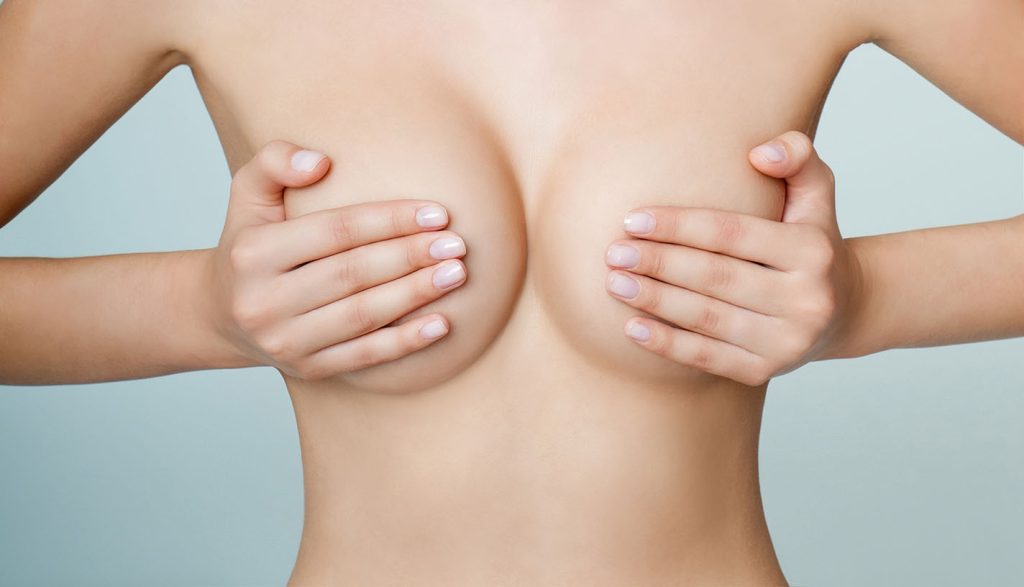
Breast enhancement surgery is one of the most popular cosmetic procedures. For some, breast augmentation alone is enough to restore volume. For others, a breast lift is the best way to achieve a youthful shape. However, many women are candidates for both treatments to address changes in volume, contour, and position.
We at Austin Plastic Surgeon understand that combining procedures is not always an easy decision. This is a complex surgery that requires careful planning and an understanding of your unique anatomy and goals. If you are interested, you should consider several factors, including your available options, the techniques your surgeon may use, what the recovery process may look like, and more.
In this article, we’ll walk you through everything you need to know about a combined breast augmentation and lift. But of course, the best way to learn more is to schedule a personal consultation with our team! You can contact us online or reach out to the office closest to you:
Contents
- 1 About Breast Augmentation with Lift
- 2 Breast Augmentation Options
- 3 Placement Considerations
- 4 Breast Lift Options
- 5 Recovery Process
- 6 Cost of a Breast Lift and Augmentation in Austin
- 7 FAQ
- 7.1 Can I have a breast augmentation with a lift in the same surgery?
- 7.2 How long does a combined breast lift and augmentation take?
- 7.3 Will there be visible scars after breast enhancement?
- 7.4 How long is the recovery process after a breast lift with augmentation?
- 7.5 Can I breastfeed after a breast augmentation with lift?
- 7.6 How do I know which implant type is best for me?
- 7.7 What risks are associated with breast augmentation with lift?
- 7.8 How long will my breast lift/augmentation results last?
- 8 References
About Breast Augmentation with Lift
A breast augmentation with lift is a combination surgery that restores lost breast volume while also raising and reshaping the breasts. (1) A breast lift with augmentation can be a very powerful procedure to enhance the overall appearance of the breast. Augmentation uses either implants or fat transfer to increase size, while a lift removes excess skin and repositions the breast tissue to sit higher on the chest. Together, these techniques rejuvenate both fullness and shape, creating a more youthful and symmetrical appearance.
The need for a combined approach often comes after pregnancy, breastfeeding, significant weight changes—including rapid weight loss (also known as Ozempic Breast)—and natural aging. These factors can stretch breast tissue and reduce elasticity, often leading to sagging and/or volume loss. A breast lift alone can correct droop, but without augmentation, the breasts might still appear deflated. On the other hand, augmentation alone can add volume, but if the breasts have advanced sagging, implants won’t be able to fully rejuvenate the breasts. Combining the two procedures provides a comprehensive solution for certain patients who want both lift and fullness.
Breast Augmentation Options
For breast augmentation, patients will need to consider implant type, size, shape, placement, and even alternatives like fat transfer. Each option affects the look and feel of the final results, and during the consultation, our team takes time to explain these details in a way that makes sense for your goals.
Silicone Implants
Silicone implants are filled with a cohesive gel that closely mimics natural breast tissue. (2) Many women prefer silicone implants because they provide a soft, natural feel and a smooth appearance. Modern silicone implants are durable and safe, and they will hold their form even if damaged. A popular type of silicone implant is the 6th-generation Motiva implant, which has the latest implant technology and extra safety features.
Saline Implants
Saline implants contain a sterile saline solution. Our surgeons fill this kind of implant after placing it in the breast pocket. (2) This allows for smaller incisions. Saline implants offer slightly more adjustability, and if they rupture, the body safely absorbs the saline solution. Some women prefer saline implants for peace of mind, as they will know more quickly when it is time to get them replaced.
Fat Transfer
Fat transfer is great for women who want a subtle, natural increase in breast volume. (3) This technique involves liposuction to harvest fat from another area, which our surgeons then purify and inject into the breasts. This technique limits how much volume it can add and may not suit patients who want a significant size increase. The procedure can also be performed alongside implants to provide a fuller or more natural look.
Placement Considerations
Implant placement can either be above the chest muscle (subglandular/subfascial) or below the chest muscle (submuscular). Another popular option is a dual plane or half under the muscle for placement of your breast implant for your augmentation. Submuscular (or Dual Plane – half under the muscle) placement was historically the most common position of the implant to reduce the risk of visible edges or rippling. This was done as in the past, we had limitations on the implants available in the United States. The gummy bear (highly cohesive gel) implants have changed this and given both patients and plastic surgeons so many more options to customize their results to help them achieve their specific aesthetic goals.
Subglandular placement using techniques like Preserve can lead to a more rapid recovery and minimize some of the complications of submuscular placement, such as animation deformity (where the muscle moves the implant). Before the gummy bear implants and internal bra materials, subglandular or subfascial placement of the breast implants was challenging. (4)
The evolution of new breast procedures, implants, and supportive structures has changed how we think about and perform breast enhancement procedures. We have so many more options than we have ever had previously, allowing us to customize our approach, minimize complications, decrease re-operations, and help patients achieve their dream result.
Breast Lift Options
Breast lift surgery, or mastopexy, removes excess skin and repositions the breast tissue and nipple to a higher, firmer position. (5) Breast lifts are key for many patients after pregnancy or their weight loss journey to enhance the overall shape of the breast. Several techniques are available, and the choice depends on how much lift you need and the condition of the breast tissue.
Periareolar Lift
This technique involves an incision around the areola. It is best for patients who want to lift the position of their nipple with minimal scarring. It is typically best when combined with a breast augmentation procedure. While effective for subtle lifts, it is not suitable for women with significant droop or large amounts of excess skin. (5)
Vertical or Lollipop Lift
The vertical lift uses an incision around the areola and another vertical line from the areola to the breast crease. (5) This approach provides more dramatic lifting and reshaping than a periareolar lift, while still keeping scars relatively minimal. It is a common choice for moderate sagging. This is a great option for patients who need more lift but want to avoid the horizontal scar along the fold. This procedure can be combined with a breast implant or fat transfer.
Anchor or Inverted-T Lift
The anchor lift is the most extensive technique, using three incisions: around the areola, vertically down to the breast crease, and horizontally along the crease. (5) This method is ideal for patients with significant sagging and excess skin. Although it involves more scarring, it also offers the most dramatic improvement in shape and position. This is the most common type of lift as it gives your plastic surgeon more control over the breast shape and position. This can also be combined with traditional breast augmentation, preservation breast procedures, or fat transfer to the breast.
There are many intricate details that go into both breast augmentation and breast lift procedures. Because of this, the best way to determine the optimal breast enhancement approach for you is to schedule a personal consultation with the team at Austin Plastic Surgeon, where we will help walk you through all of these variables.
Schedule your consultation by contacting us online or by calling one of our three locations:
Recovery Process
Recovery from a breast augmentation with lift is more involved than recovery from either procedure alone. While recovery timelines will differ for each patient, the process usually unfolds as follows:
The First Week
The first few days after surgery typically involve swelling, bruising, and soreness. Patients will wear a compression bra to support healing and help control swelling. Patients should rest, but occasional walking around the house to promote circulation is beneficial. Pain medication and antibiotics will manage discomfort and prevent infection. We recommend sleeping on your back with your upper body elevated throughout this period.
Weeks Two to Three
By the second week, most women feel more comfortable, though swelling and tightness remain. Many patients are able to return to light work or desk jobs. You will still need to limit activity, and you will need to continue avoiding lifting or straining. During this period, we will remove any stitches (though most commonly they are internal and dissolvable), and your incisions will continue to heal. Most patients often feel improvements in energy, but it is important not to overdo activity too soon. This is where we encourage our patients to start their scar therapy to minimize the visible incisions in the breast. Silicone sheets are a great option to minimize the scarring after a breast lift with augmentation. For the silicone sheet to be effective, patients need to wear it 23 hours a day for several months after the surgery.
Weeks Four to Six
By the one-month mark, much of the swelling subsides, and the breasts begin to settle into their new shape. You can begin to resume light exercise that does not strain the chest. You will need to continue wearing a supportive bra, but you can begin introducing scar management treatments. By six weeks, you should be able to resume normal activities, including moderate exercise.
Long-Term Healing
Although most patients return to normal life by six weeks, full healing takes several months. The breasts will continue to soften, scars will fade, and final results may not be fully visible until six months to a year post-surgery. Long-term results can last many years, but weight fluctuations, pregnancy, and aging can affect outcomes.
Cost of a Breast Lift and Augmentation in Austin
The total cost of your combined breast lift will depend on several factors. After meeting with one of our surgeons and forming a treatment plan, you will receive a comprehensive price quote. Austin Plastic Surgeon also offers financing options to help make goals more accessible.
Schedule your consultation today to explore your treatment options. If you have any questions or prefer to schedule over the phone, please call any of our Austin-area offices directly:
FAQ
Can I have a breast augmentation with a lift in the same surgery?
Yes, many patients do. However, it is not always ideal for every patient. In certain cases, staging the procedures separately may reduce risks or provide better results. However, the vast majority of patients can have a breast lift and augmentation done in the same procedure.
How long does a combined breast lift and augmentation take?
Most combined procedures take between two and three hours, depending on the techniques used and whether implants or fat transfer are involved.
Will there be visible scars after breast enhancement?
Some scarring is unavoidable, but our surgeons carefully plan incision techniques to minimize visibility. Scars fade over time and can often hide beneath clothing. We also have specific scar treatment protocols that we recommend for all of our patients after a mastopexy augmentation.
How long is the recovery process after a breast lift with augmentation?
Most patients resume normal activities within six weeks, but final results may take six months to a year to fully develop.
Can I breastfeed after a breast augmentation with lift?
Many women are still able to breastfeed, but it depends on the technique. We advise discussing this during your consultation.
How do I know which implant type is best for me?
Your surgeon will evaluate your anatomy, goals, and preferences to recommend whether silicone, saline, or fat transfer is best.
What risks are associated with breast augmentation with lift?
Risks include infection, changes in nipple sensation, scarring, or implant-related issues. Choosing an experienced surgical team helps reduce these risks.
How long will my breast lift/augmentation results last?
Results are long-lasting, but future pregnancies, weight changes, or aging may affect breast shape over time.
References
- Mentz H, Johnson-Alviza J, Patronella C. The Delay Fill Technique: A Safer Approach to Combination Augmentation Mastopexy. Seminars in Plastic Surgery. 2015;29(02):085-093. doi:https://doi.org/10.1055/s-0035-1549049
- Spear SL, Jespersen MR. Breast implants: saline or silicone? Aesthetic Surgery Journal. 2010;30(4):557-570. doi:https://doi.org/10.1177/1090820X10380401
- Salibian AA, Frey JD, Bekisz JM, Choi M, Karp NS. Fat Grafting and Breast Augmentation: A Systematic Review of Primary Composite Augmentation. Plastic and Reconstructive Surgery Global Open. 2019;7(7). doi:https://doi.org/10.1097/GOX.0000000000002340
- Meretsky CR, Knecht EM, Schiuma AT. Advantages and Disadvantages of Breast Augmentation: Surgical Techniques, Outcomes and Future Directions. Cureus. 2024;16(9). doi:https://doi.org/10.7759/cureus.69846
- Toomey AE, Cape JD. Mastopexy (Breast Lift). Nih.gov. Published December 11, 2024. https://www.ncbi.nlm.nih.gov/sites/books/NBK610682/