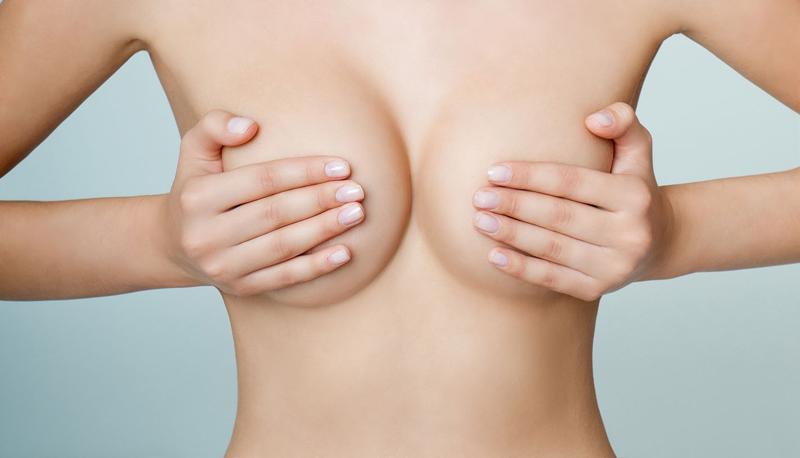
Breast preservation procedures have become extremely popular, as in this day and age, patients want a rapid recovery and minimal downtime. As with everything in medicine, we want to be less destructive and more protective of the body, enhancing our natural beauty rather than taking it apart and rebuilding it all from scratch.
I think that’s why breast preservation procedures have become so popular recently. You are utilizing some of the natural strengths of the breast and enhancing its overall natural shape. By not cutting the pectoralis muscle and limiting dissection to the breast, you are truly protecting a lot of the natural architecture of the breast.
This is where the term “preservation procedures” comes from. The procedure itself leads to rapid recovery, as most of our patients are able to do this under some light sedation. This means that they are awake for the entirety of the procedure.
As people become more interested in this breast preservation procedure, there will be questions about how it’s actually performed. One of the biggest questions is whether gummy bear implants are still used for this procedure, as they have become very popular in breast augmentation and enhancement surgeries. The short answer to this question is yes.
Some of the new innovations in breast implants have allowed breast preservation procedures to be widely available for patients, especially the sixth-generation Motiva breast implants. They have both Round and Ergo, which are specifically designed for some of their ergonomic implants. There is actually more to come in the future, which is super exciting.
The 6th-generation implants have a couple of unique properties that allow for this breast preservation procedure:
The first main innovation is that the implants are 100% filled, which decreases the potential of rippling for the breast enhancement procedure, especially for very thin patients. Some of our weight loss patients do not have a lot of natural breast tissue or fat around them, so they are more prone to this. That is where it becomes really important to have this 100% filled implant. The beauty is the innovation in having a very cohesive gel that’s also very soft. This gives the implant a natural feel while decreasing the rippling.
The second big innovation is the structure of the implant shell. The shell is shown to have a capsular contracture rate of under 1%. Back in the day, it was thought that placing the implant under the pectoralis muscle decreased the rate of capsular contracture. Over time, this was shown to be false. The Motiva breast implants have an extremely low capsular contracture rate, regardless of whether the implant is placed above or below the muscle. That gives your plastic surgeon a lot of flexibility to put the implant where it is most needed to enhance the overall breast and give you your ideal shape, instead of being bound by the pectoralis muscle itself.
The other major innovation of the sixth-generation Motiva breast implants is that the shell and gel are built as one cohesive unit. Thus, you do not have any of the separation, but a very natural flow to the overall breast itself. This will help with the natural appearance of the breast. In summary, the gummy bear implants are what have allowed us to evolve into these preservation breast procedures.
In the past, we performed a lot of different techniques, such as placing the implant either under the muscle or half under the muscle to hide the breast implant. We did this because we used to use only saline implants; the breast implants were very firm, they were more prone to rippling, they didn’t have that natural feel and sense to them. This is why gummy bear implants are a critical portion of the preservation breast procedure.
In theory, you could place a saline implant during a breast preservation procedure. However, there is a good chance that you would see some rippling and have some firmness. This is because you are going to lose a few of the benefits of the procedure that have been designed specifically with these ergonomic implants in mind, in combination with the breast preservation of preserving all the natural tissue and anatomical architecture of the breast.